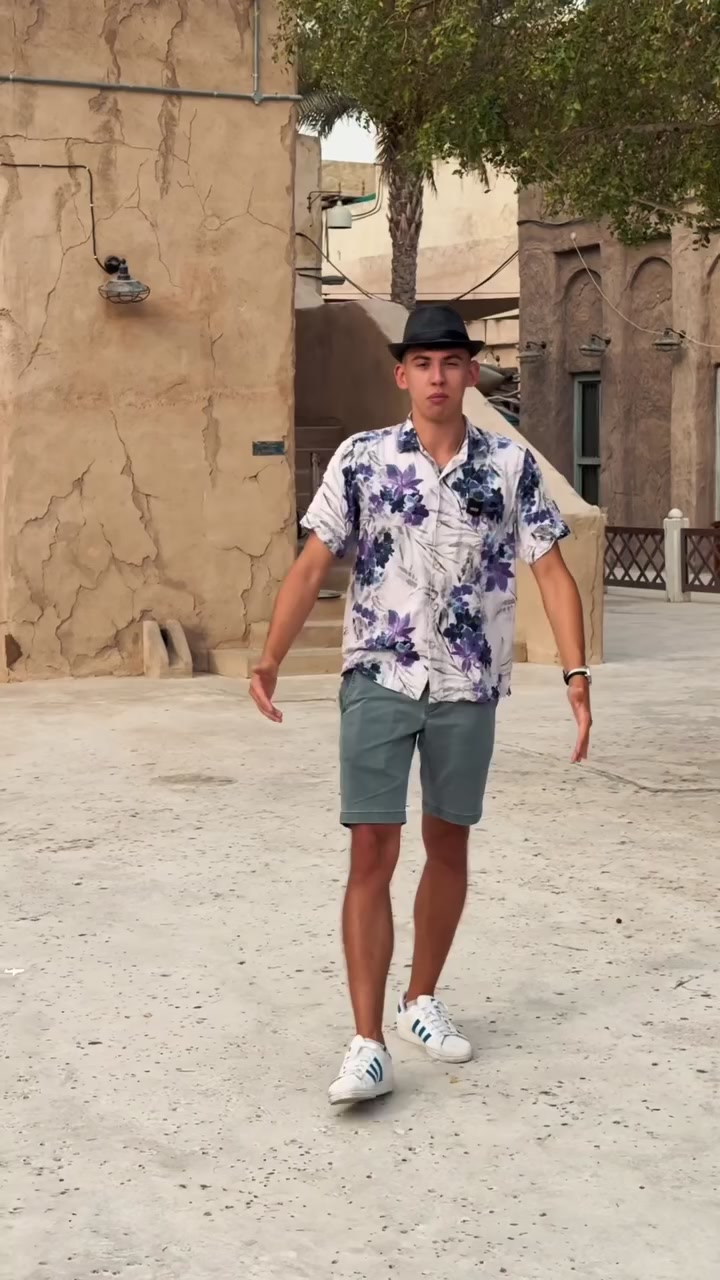
Here, time seems to stand still.
In Al Fahidi, you can experience the spirit of Old Dubai through narrow lanes, traditional buildings made from coral stone and sandstone, wooden beams and wind towers.
The historic Al Fahidi district is located in Bur Dubai and offers a different side of the city — the Dubai that existed long before the modern skyline.
It is a place to explore slowly, with traditional buildings, small courtyards and architectural details that reflect the city's earlier history.
A walk through Al Fahidi can easily be combined with a visit to Al Seef, a waterfront district along Dubai Creek where heritage architecture meets restaurants, cafés, shops and a promenade.
If you want to experience Old Dubai beyond a short visit, consider staying at Al Seef Heritage Hotel Dubai, Curio Collection by Hilton.
The hotel is located in Al Seef and occupies traditional Arabian homes adapted for modern accommodation. Traditional architecture is combined with contemporary comfort and hotel services.
You can also have dinner overlooking Dubai Creek and continue exploring Al Seef after sunset.
Al Fahidi and Al Seef are particularly suitable for visitors who want to experience Dubai's historic side while combining architecture, walking, restaurants and the atmosphere of the old city in one itinerary.
A WINDOW INTO OLD DUBAI
Al Fahidi Historical Neighbourhood preserves a compact picture of Dubai before the age of towers and large roads. The quarter grew near Dubai Creek, where trade, fishing, pearl diving and regional movement shaped daily life. Its lanes lead between houses built with coral stone, gypsum and sandstone, supported by timber and shaded by enclosed courtyards. The architecture is modest in scale but rich in clues: thick walls, narrow passages and wind towers respond to heat while revealing how families lived together.
ARCHITECTURE TO NOTICE
Wind towers are the neighbourhood's most recognisable detail. Openings catch moving air and direct it down into the rooms, offering a passive response to summer heat long before mechanical cooling. Look also for wooden doors, carved screens, plaster ornament, roof beams and small courtyards that create privacy. Some buildings now host cultural foundations, museums, galleries or cafés, yet their proportions and materials still make the lanes feel like a residential quarter rather than a themed street.
CULTURE IN THE LANES
Al Fahidi is best approached as a cultural district, not a checklist of isolated sights. Courtyards may open onto exhibitions, workshops, heritage talks and small creative spaces, with programmes changing through the year. The area rewards curiosity: read the signs, look inside open courtyards and leave room for an unplanned gallery or coffee stop. Dress respectfully, keep voices low near homes and prayer spaces, and remember that preservation depends on treating the neighbourhood as a lived cultural environment.
FROM AL FAHIDI TO AL SEEF
Continue towards Dubai Creek and Al Seef to see how heritage language has been extended into a modern waterfront destination. Al Seef combines reconstructed traditional forms with shops, restaurants, cafés and an open promenade. The change is gradual: quiet lanes give way to water views, boats and evening activity. Walking the two districts together creates a more complete route through Old Dubai, moving from residential architecture and cultural spaces to the creek that supported the city's commerce.
AN EVENING BY THE CREEK
Late afternoon is comfortable for walking, while the waterfront becomes especially atmospheric after sunset. Plan pauses rather than rushing between points: a courtyard, a gallery, a meal and a view of the creek can each become part of the story. Restaurants and cafés in Al Seef make it easy to finish the route with dinner. If you prefer to stay in the area, Al Seef Heritage Hotel Dubai, Curio Collection by Hilton, offers accommodation in traditional Arabian homes adapted with contemporary hotel services.
PRACTICAL ROUTE
Allow several hours for Al Fahidi, and longer if you add museums, Al Seef or a creek crossing. Comfortable shoes matter because the experience is mostly on foot and surfaces vary. Public transport, taxis and ride-hailing can bring you to Bur Dubai; save the neighbourhood name rather than relying on a single entrance. Check current opening arrangements for individual museums, cultural houses, restaurants and the hotel before visiting. Carry water, protect yourself from the sun and follow signs around private or restricted courtyards. A simple sequence works well: start in the quieter lanes, pause for a cultural space, walk towards the creek, then continue along Al Seef as the light softens. This leaves room for architecture, food and conversation rather than turning heritage into a hurried photo stop.
LOCATION
Al Fahidi Historical Neighbourhood / Al Seef Heritage Hotel Dubai Bur Dubai / Al Seef Street, Umm Hurair 1, Dubai Creek, Dubai, United Arab Emirates
Frequently asked questions
Where is Al Fahidi Historical Neighbourhood?
Al Fahidi Historical Neighbourhood is located in Bur Dubai, near Dubai Creek. It is one of the city's historic areas, known for traditional architecture and narrow lanes.
What can you see in Al Fahidi?
The main attraction is the historic atmosphere itself: traditional buildings, courtyards, narrow streets and architectural details reflecting Old Dubai. The area can easily be combined with Al Seef and Dubai Creek.
How much time should you allow for Al Fahidi?
A few hours is enough for a first visit. If you combine Al Fahidi with Al Seef, museums and a walk along Dubai Creek, you can plan to spend most of the day in the area.
Where can you stay to experience Old Dubai?
One option is Al Seef Heritage Hotel Dubai, Curio Collection by Hilton. The hotel is located in Al Seef on Dubai Creek and occupies traditional Arabian homes adapted for modern accommodation.
Can you book Al Seef Heritage Hotel directly?
Yes. Use the official Hilton website for direct booking: