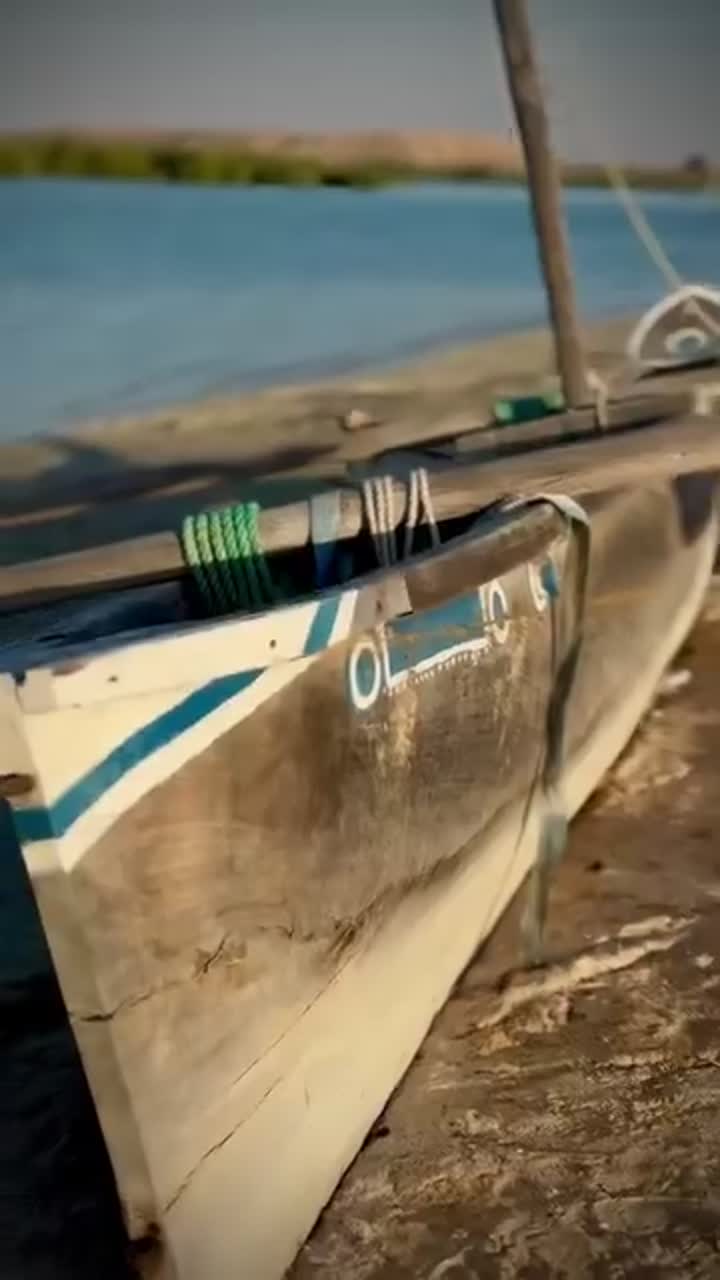
Mangrove Beach in Ras Al Khaimah is a peaceful natural escape for anyone looking to step away from the city and spend time among water, mangrove forests and coastal wildlife.
The official Ras Al Khaimah tourism website refers to the area as the Mangrove Coastline. Mangrove ecosystems extend directly into the urban area of the emirate, creating an unusual contrast between green vegetation, calm water and modern city surroundings.
The mangroves of Ras Al Khaimah are more than a scenic backdrop. They form a rich coastal ecosystem. The mangrove forests are home to flamingos, herons and other birds, while crabs, molluscs and other marine organisms live in the water and among the mangrove roots.
One of the most noticeable features is the sense of calm. The waterways can feel remarkably quiet, while the dense vegetation creates a feeling of separation even though the city is nearby.
EXPLORING THE MANGROVES
The mangrove coastline can be explored not only on foot. The official Ras Al Khaimah tourism website highlights kayaking and paddleboarding as popular ways to travel through the mangrove waterways. A number of organised tours depart from areas around the Ras Al Khaimah Corniche. If you are looking for a quiet nature experience, the main attraction is the landscape itself: water, greenery, reflections, birds and open space.
IMPORTANT ABOUT THE LOCATION NAME
On social media and map services, the location may appear under the name Mangrove Beach. However, the official Ras Al Khaimah tourism source uses the names Mangrove Coastline / Mangrove Ras Al Khaimah. Do not confuse this location with Mangrove Beach in Umm Al Quwain, which is a separate destination in a different emirate.
WHAT YOU CAN SEE
Visitors may see mangrove forests, calm coastal waters, flamingos and other birds, crabs, molluscs and other marine life, Ras Al Khaimah city views alongside the natural landscape, and waterways that can be explored by kayak or paddleboard.
BEST TIME TO VISIT
The official Ras Al Khaimah tourism website recommends the cooler months from approximately December to March, as well as October, November and April, for exploring the mangroves. For kayaking and paddleboarding, early morning and late afternoon are preferable. Tide conditions should also be considered: kayaking is generally easier at high tide, while low tide can make it easier to observe wildlife around the mangrove roots.
A LIVING COASTAL BUFFER
Mangrove roots slow shallow water and shelter young marine life. The trees soften the meeting point between land and sea, creating a landscape that feels both delicate and resilient. Keep a respectful distance from birds and never pull at roots, shells or living creatures.
HOW TO PLAN A NATURE VISIT
Organised kayak and paddleboard trips make the channels easier to understand, while a short shoreline stop works for visitors who mainly want views and photographs. Bring water, sun protection and footwear for wet ground. Confirm launch points, equipment, tides, weather and tour availability before leaving; operators do not share one fixed timetable.
RAK OR UMM AL QUWAIN?
This article concerns the Mangrove Coastline in Ras Al Khaimah, where mangroves reach into the emirate’s urban coastal setting. Mangrove Beach in Umm Al Quwain is a different destination in a different emirate. Check the emirate and map result before booking transport or joining a tour.
TIDES SHAPE THE EXPERIENCE
The same shoreline can look completely different at high and low tide. Rising water opens more navigable channels for a kayak, while receding water exposes mudflats around the roots and makes some passages shallow. Tide timing should be checked alongside the weather, because wind can affect comfort and visibility even when the calendar looks suitable. Do not walk onto soft mud or attempt to force a paddleboard through a narrow channel; follow the operator’s route and return time.
WILDLIFE ETIQUETTE
Flamingos and wading birds may gather in shallow water, especially where feeding conditions are favourable. Wildlife watching is best when it remains quiet and patient. Keep boats and people away from nesting or resting birds, avoid loud music, never feed animals and use a zoom lens instead of approaching. Take rubbish back with you, including fishing line and plastic, which can become trapped in roots or injure animals.
FROM CITY EDGE TO OPEN COAST
The Ras Al Khaimah mangroves are valuable precisely because they sit close to an active city rather than in an isolated reserve. A visit can be combined with the Corniche and other waterfront stops, but the character changes as waterways open towards the coast. Allow time for traffic and for meeting an operator at the correct launch point; a map pin for a general mangrove area does not automatically mark a public beach, boat ramp or walking trail.
LOCATION
Mangrove Coastline / Ras Al Khaimah Mangroves Ras Al Khaimah, United Arab Emirates
Frequently asked questions
Where is Mangrove Beach in Ras Al Khaimah?
The mangrove coastline is located in Ras Al Khaimah, with mangrove areas extending directly into the emirate’s urban area. The official tourism source uses the name Mangrove Coastline.
Is Mangrove Beach the official name?
The official Ras Al Khaimah tourism materials use Mangrove Coastline / Mangrove Ras Al Khaimah. Mangrove Beach may be used on social media and map services.
Can you see flamingos?
Yes. The official tourism website identifies flamingos and other bird species as part of the mangrove ecosystem.
Can you go kayaking?
Yes. Kayaking is one of the main ways to explore the mangrove waterways of Ras Al Khaimah.
Is paddleboarding available?
Yes. The official tourism source also identifies paddleboarding as a way to explore the mangrove ecosystem.
When is the best time to visit?
The official tourism source recommends December to March, as well as October, November and April.